
Mick F.
Editor’s Note: ARES has documented numerous instances in which a munition which has not yet been publicly identified has been used in Israeli strikes in Lebanon, the Gaza Strip and Iran. The following article provides an overview of the use of the munition, its technical characteristics, and where it has been used.
Information cut-off date: 23MAR2026
Also note that this blog post is linked to entries in the Open-source Munitions Portal (OSMP), a joint project between ARES and Airwars, available at https://osmp.ngo/.
OSMP Entry Nos.1224; 1225; 1384; 1385; 1386; 1389; 1581; 1582; 1583; 1584; 1986; 2141; 2151; 2183; 2184.
At the time of publishing, the munition has been assigned the ARES Temporary Munitions Identifier (TMID) ARES-TMID-0011.
Overview
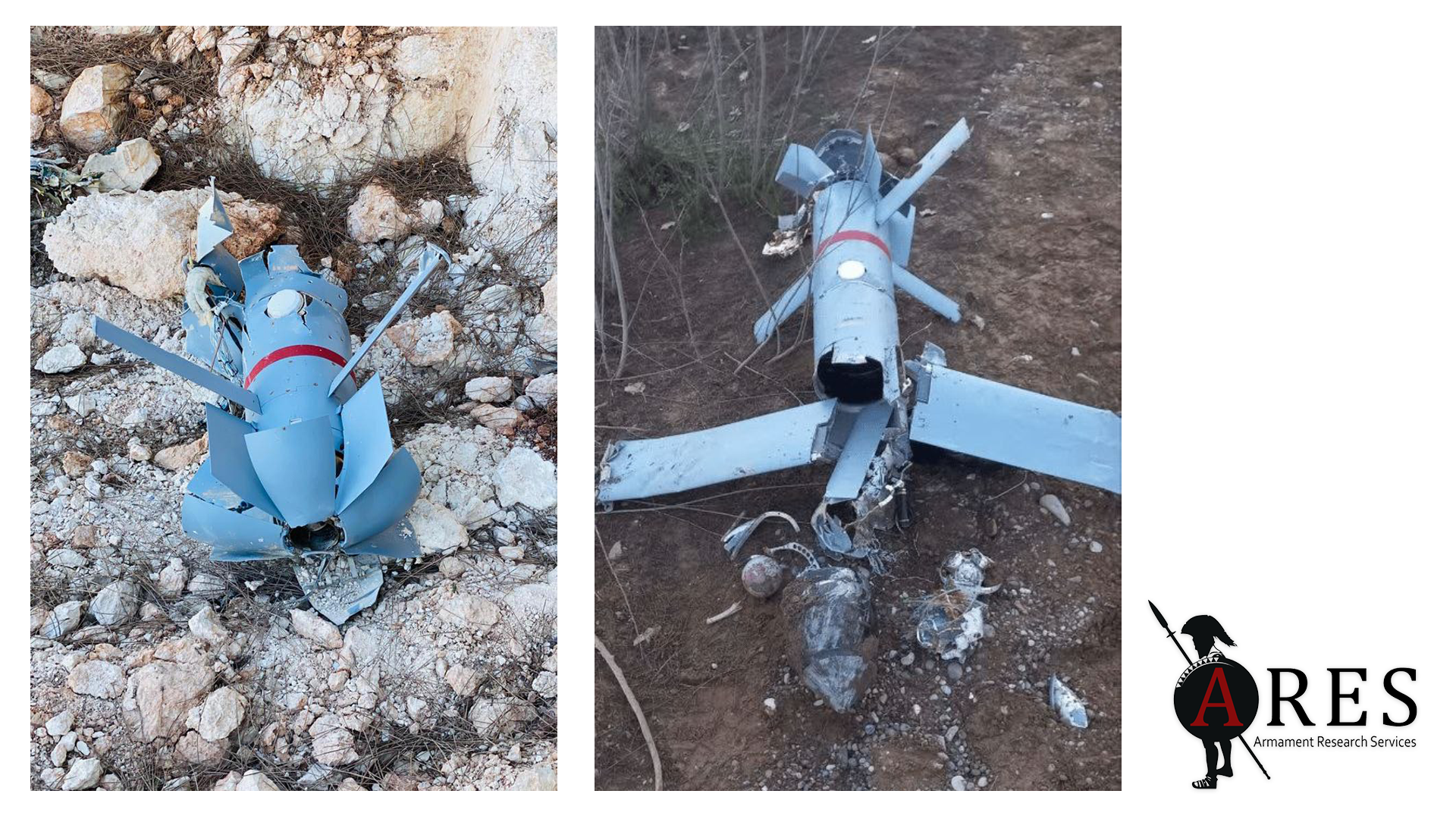
Beginning in late 2024, remnants of a previously unknown munition appeared following strikes in northern Lebanon. They were initially recorded in September and October in different villages east of the Lebanese city of Tripoli. The munition found in October was incorrectly reported by local media as being the remnants of a Syrian air-defence missile, linked to an engagement the day before in which the Israeli Air Force targeted sites in southern Syria. Both the September and October munitions were damaged, and the state in which they were documented suggests they did not function as intended (e.g., the warhead did not detonate). When compared to a later incident in March 2026 in Iran—in which local media reported that the munition was downed by Iranian security forces—the damage to the munitions seen in all three incidents is very similar; this could suggest the earlier examples were also intercepted.
Following the two recorded uses of these munitions in Lebanon, there was a pause in reported remnants until they reappeared in March 2025. Thereafter, they were used in numerous strikes in the Gaza strip until July 2025. A January 2026 strike is the most recent recorded use of this munition in Gaza. The munition appears to have functioned as intended in all recorded uses of the weapon in Gaza. In March 2026, the munitions were documented in Lebanon and more recently in Iran. During a strike on a Beirut hotel, in which multiple munitions were used, one failed to function and its warhead was discovered at the impact site (the other munition functioned). The fact that munitions failed to function as intended in both Lebanon and Iran may suggest a design that is particularly vulnerable to air-defence systems, although there is limited information from which to draw robust conclusions. It is highly likely that this munition has been used in other incidents not recorded by ARES.
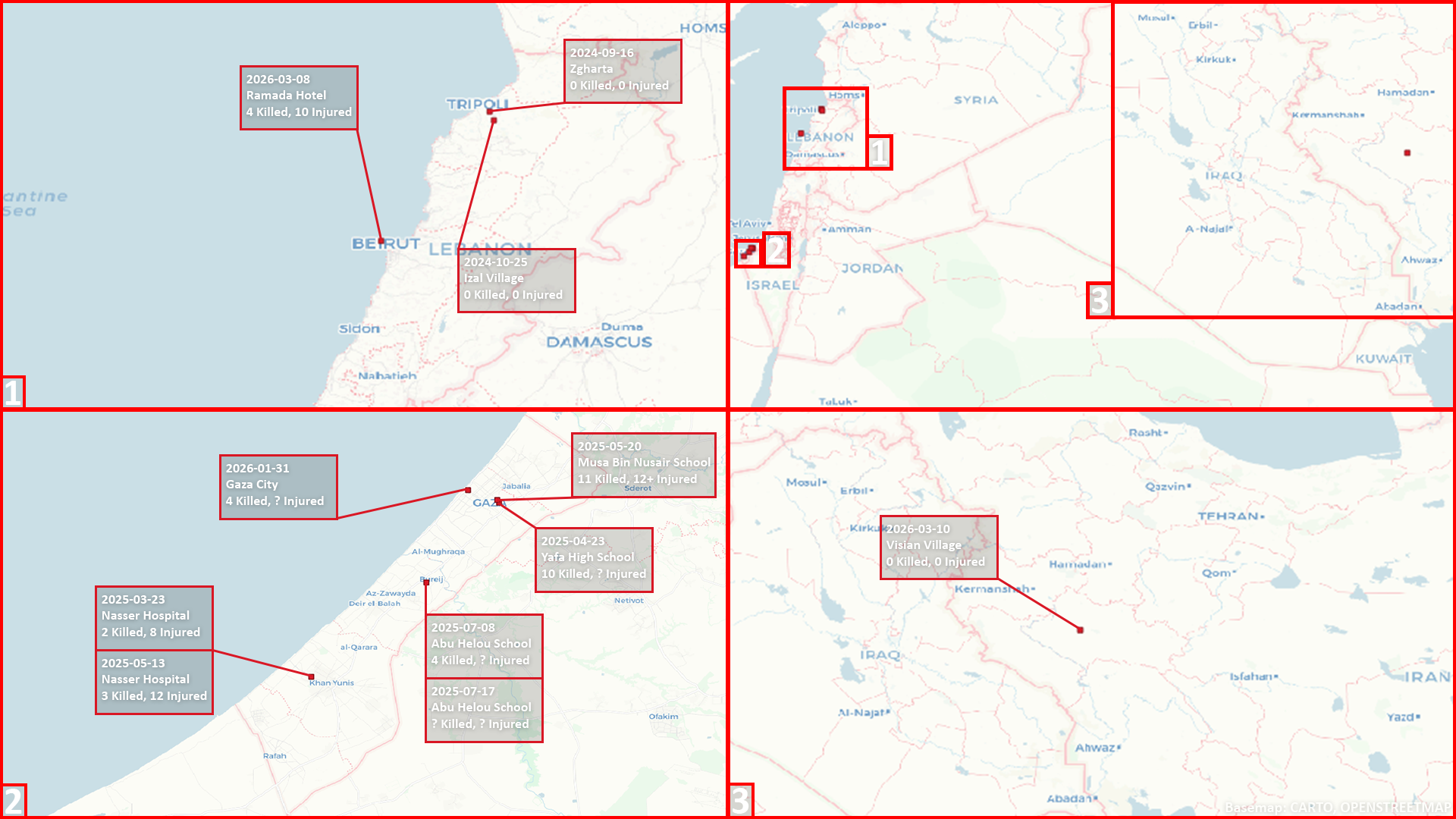
Whilst some strikes aligned with expected military targets or Israel Defense Forces (IDF) statements, others were difficult to match to a target. This is particularly applicable to the strikes in the Gaza strip, where most strikes damaged civilian houses, schools, and hospitals. In reviewing Israeli statements, the munition appears to have been most commonly used in targeted strikes against individual high-level targets or command & control infrastructure. This included targeting a member of the Hamas political bureau in Gaza and Iranian government officials, whom Israel claimed were members of the Iranian Revolutionary Guard Corps (IRGC), in a Hotel in Beirut. Both of these strikes were reported by international media. The 2026 incident in Iran occurred close to the Imam Ali Missile Base in Khorramabad, which may have been the target. Other incidents, such as the 2024 incidents in Lebanon, could not be readily linked to obvious targets from publicly available statements or reporting. A general map of key incidents is provided in Figure 1.1, below.
The Munition
Reporting on strikes involving the undesignated munition often refers to it as a ‘drone’. Initial technical assessments of the available remnants—notably a turbojet engine, along with wing remnants—indicated it could be a missile of the type commonly described as a one-way-attack (OWA) unmanned aerial vehicle (UAV) or ‘loitering munition’, consistent with reporting. There is no publicly acknowledged Israeli munition that closely fits the recorded remnants, and it was clear that analysts were dealing with a generally unknown munition. The closest publicly identified analogue is probably the American AGM-190 Black Arrow, commonly referred to as a ‘small cruise missile’.
Launch Platform & Propulsion System
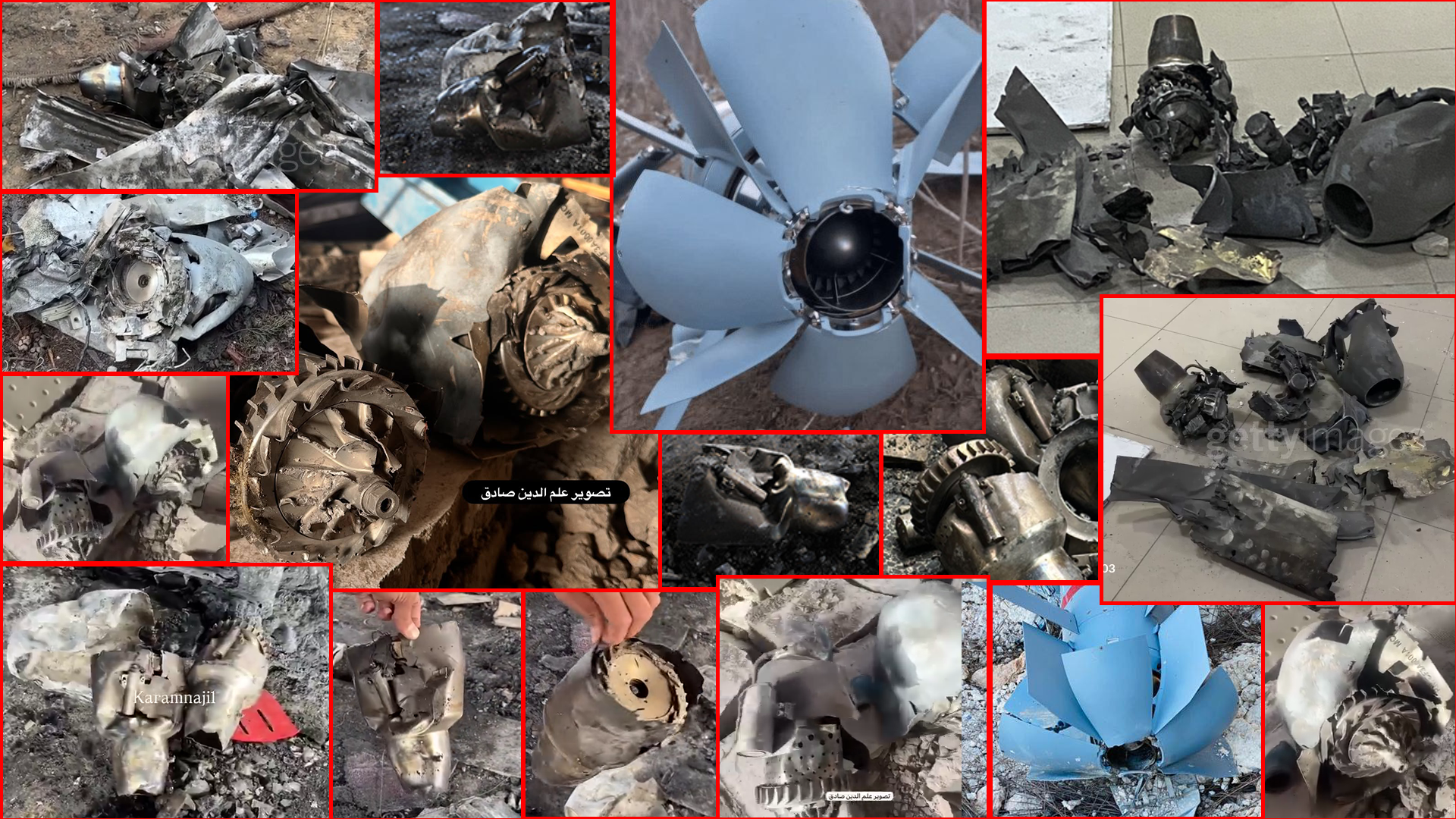
The missile launch platform is not known, although the location of certain strikes—especially those deep within Iran—strongly suggest that it is air-delivered. (Interestingly, one Israeli military statement suggests that the missile was launched by the Israeli Navy.) The missile employs a turbojet engine (see Figure 2.1) as its method of propulsion. ARES was unable to identify the engine model but observed the following markings: CF3A0001A MCA” (with appended “-04-15” visible in one instance). Turbo jet engines of similar size (such as the PBS TJ-40 series) have a speed below Mach 1 and a thrust of around 400 Newtons, and thus the theoretical ability to carry around 40 kg of weight. It is probable that the munition—aided by the wing configuration—is able to travel a significant distance from launch, probably beyond the range of missiles such as the AGM-114 Hellfire series.
Body, Wings & Fins
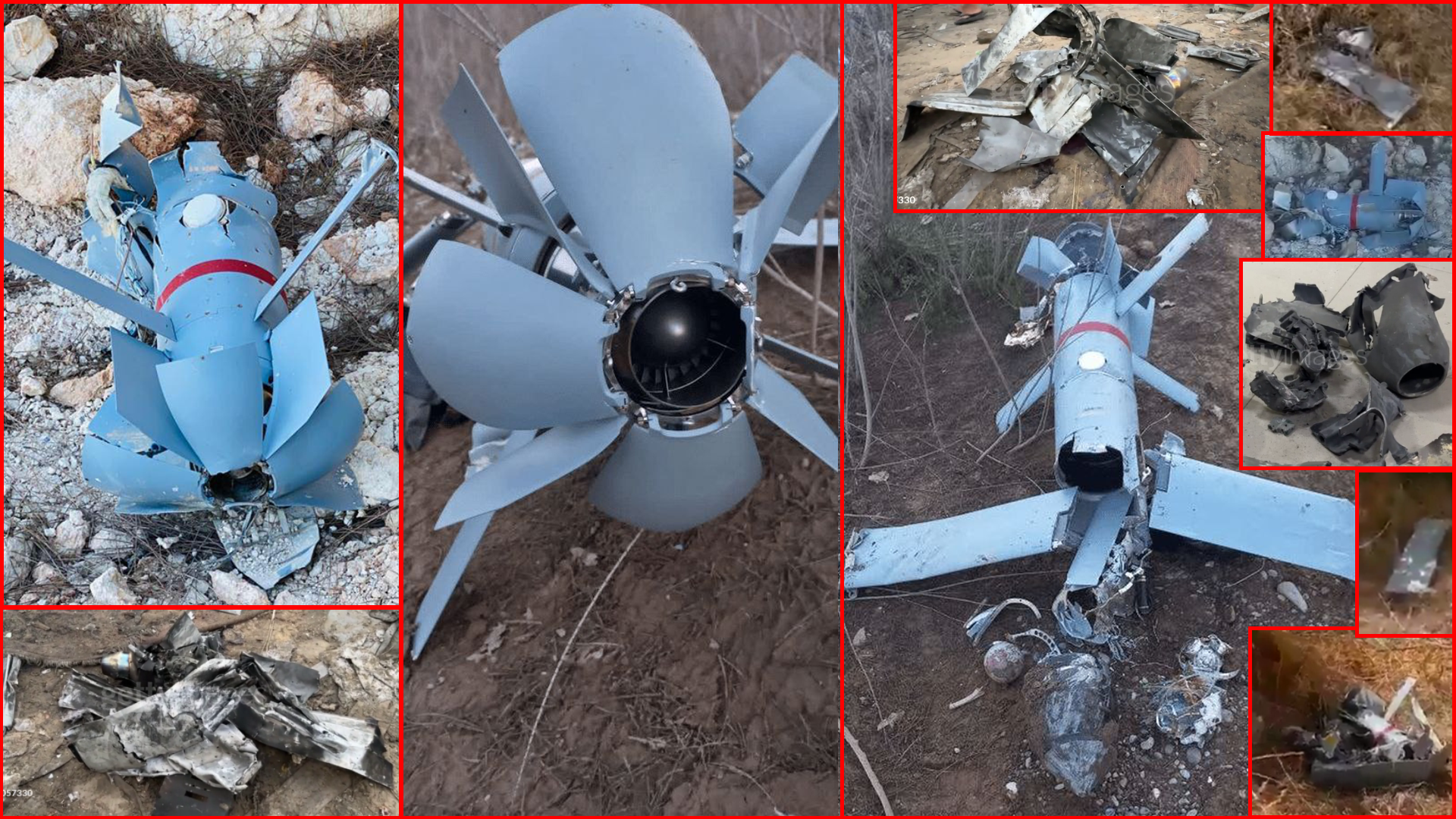
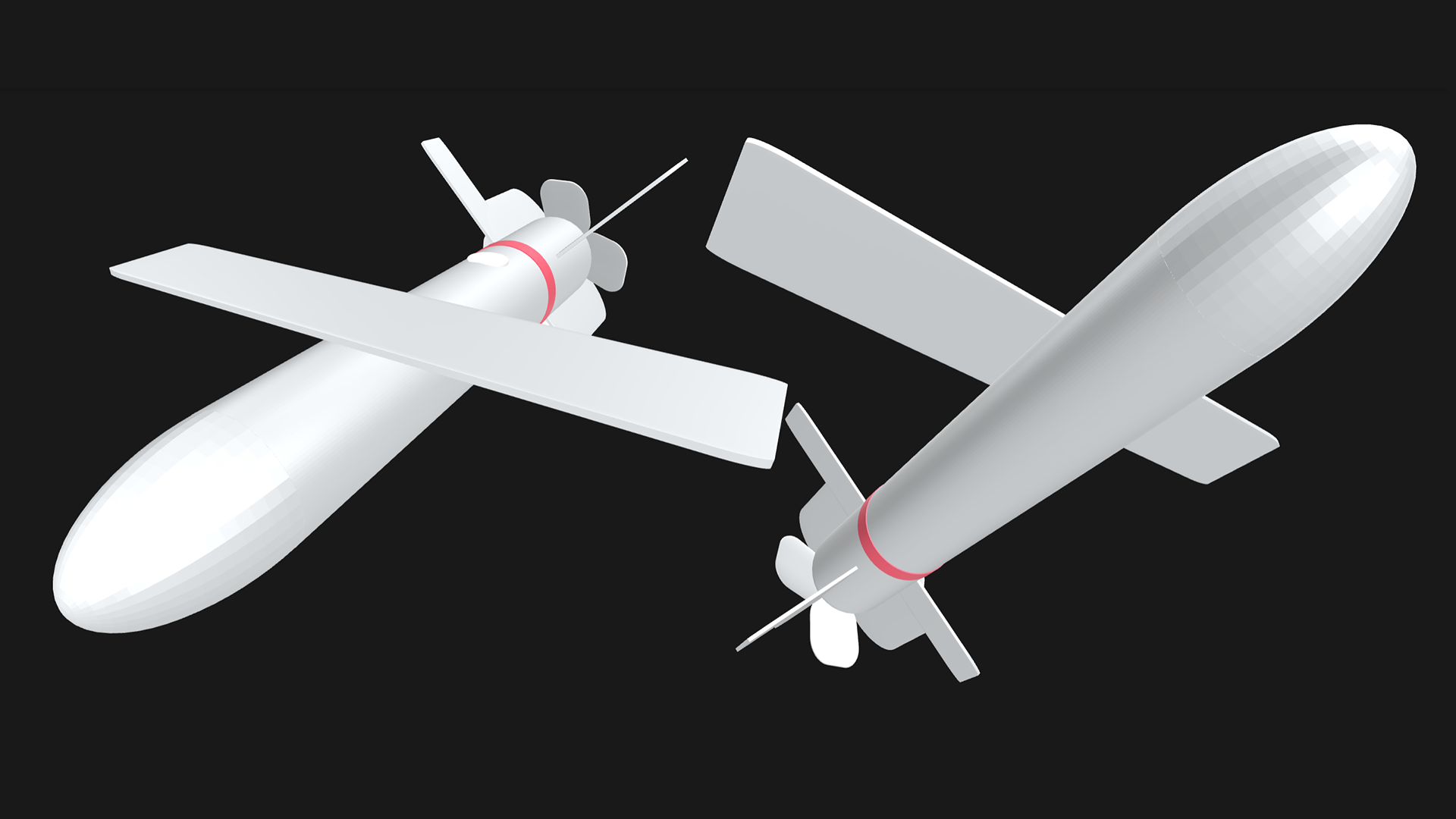
The body of the munition is generally cylindrical in shape, and of a relatively small diameter (estimated at 135–155 mm). It appears to be constructed from a relatively thin sheet metal, as would be expected from this type of missile. Aerodynamic lift is generated by a wide wing assembly that sits atop the body of the munition, somewhere just forward of the midpoint (see Figure 2.2). This can probably rotate (possibly rotating 90 degrees horizontally from the body when being deployed). This primary wing assembly likely enables the munition to travel a considerable distance whilst gliding. Control of the munition appears to be effected using four actuated fins, located in the aft section, and four aerodynamic brakes, located at the rear of the munition. Another set of four fins at the rear of the munition, possibly fixed, are likely used for stabilisation.
Guidance System
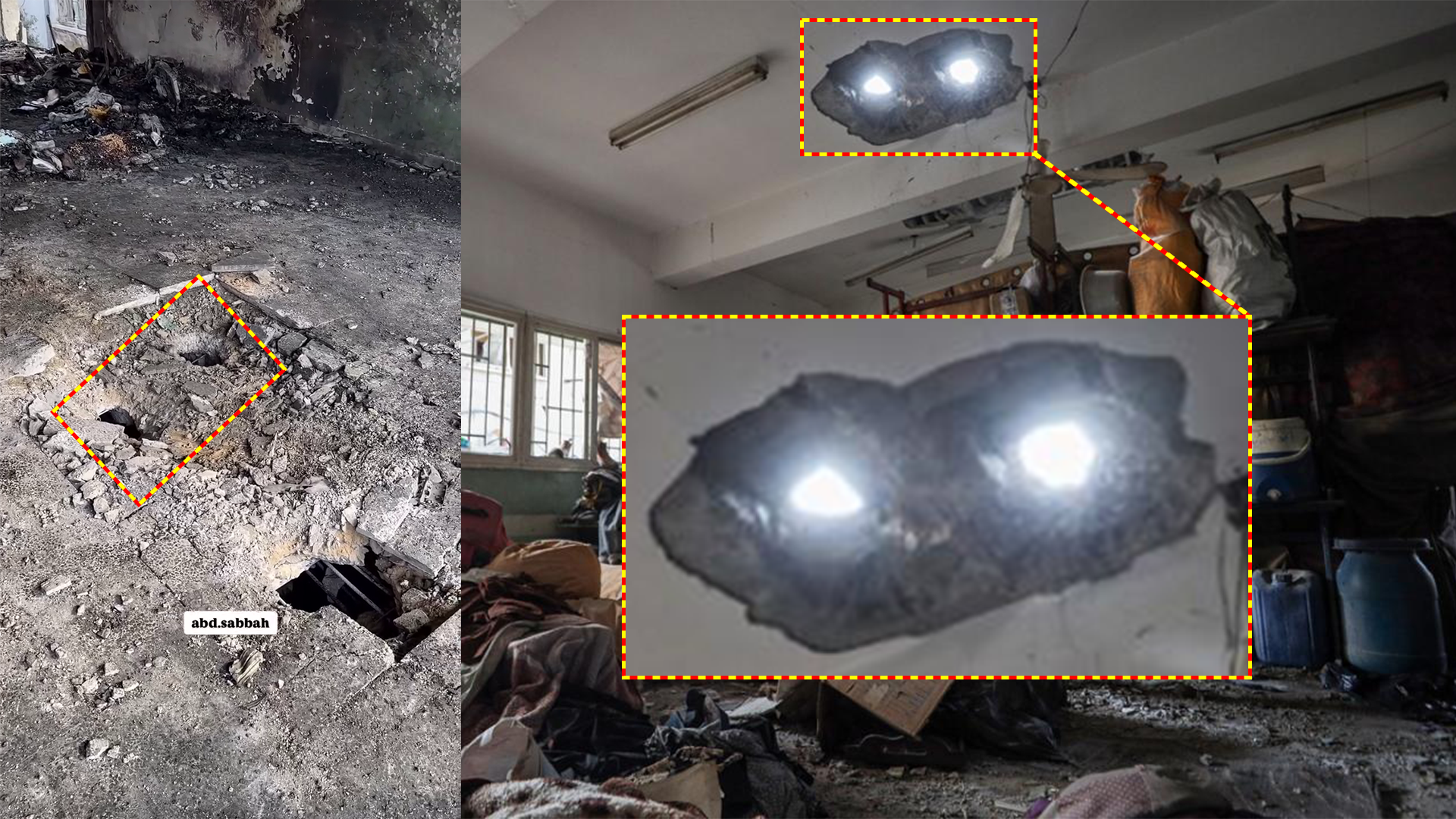
The forward-most part of the munition, likely a ‘nosecone’ configuration, has not been documented intact. It is nonetheless clear that the munition is a guided missile, both from the control surfaces and from the apparent precision of some of the recorded strikes associated with the weapon. The March 2025 Nasser Hospital (Gaza) strike, the May 2025 Musa Bin Nusair School strike (Gaza) strike, and the 2026 Ramada Hotel (Lebanon) strike, show that individual rooms associated with key targets were struck by the missiles; during the Musa Bin Nusair School strike, two munitions impact points were located roughly 30 cm apart horizontally.
The only part probably related to the guidance system that has been photographed is a large motherboard, seen in only one instance (see Figure 2.3). Further guidance components could not be readily identified. It is likely that the munition is satellite guided. It may also be laser guided, and the inclusion of a camera is also probable.
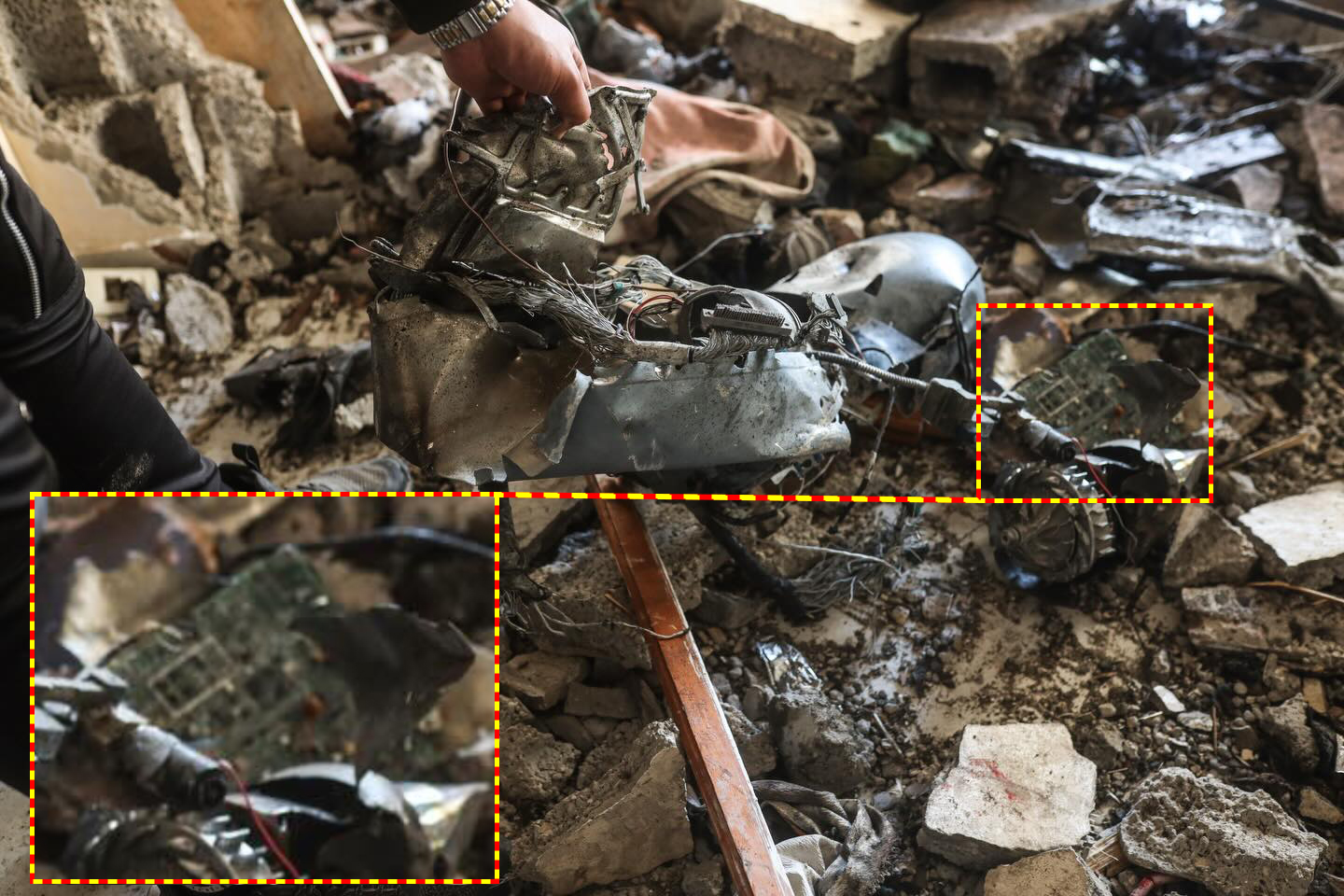
Warhead
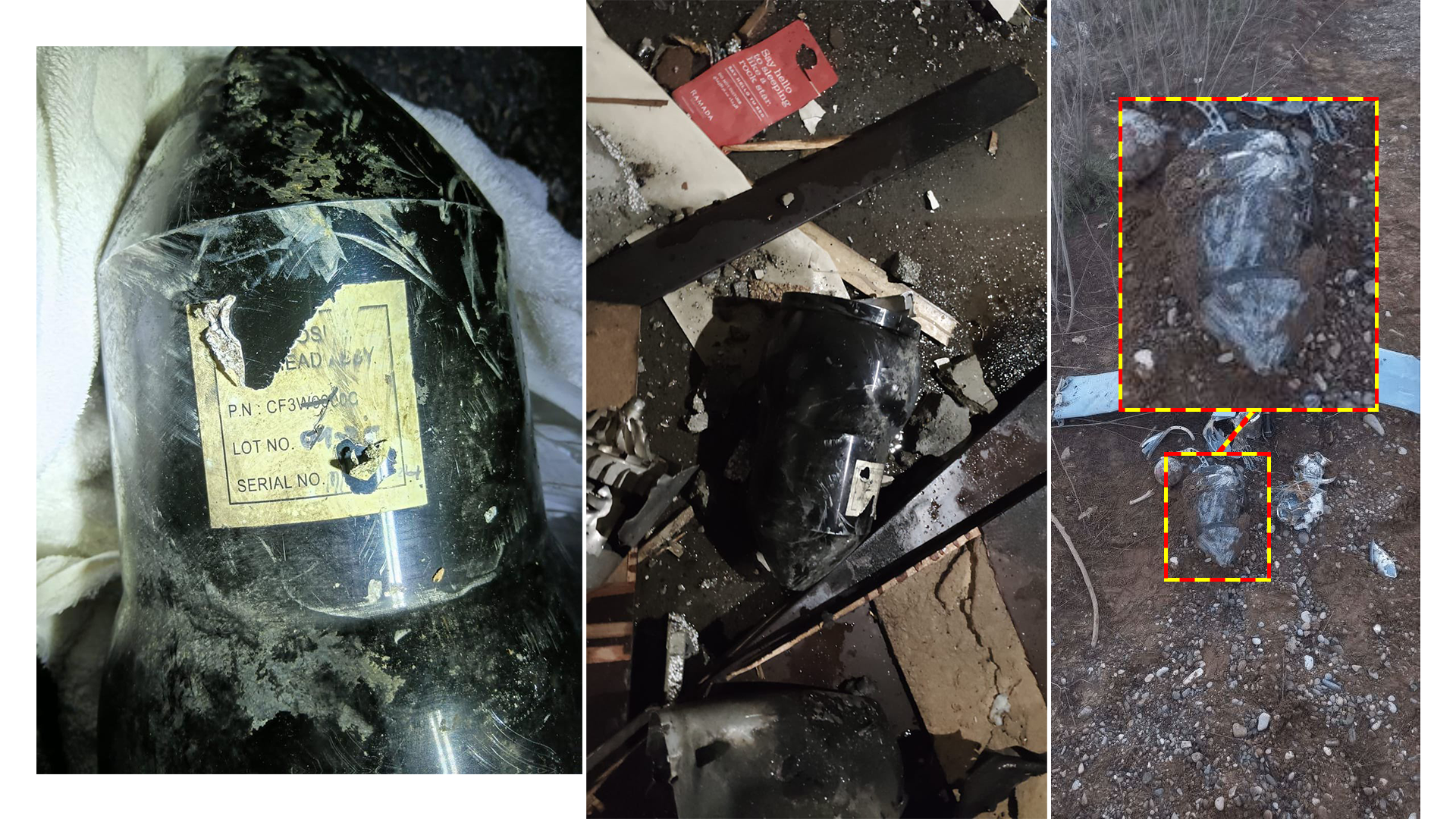
It is likely that multiple variants of this missile have been developed, with differing warheads. A post-strike review of known impact sites and examination of recovered warheads (see Figure 2.9) shows there are at least two different warheads: the first a simple high explosive/fragmentation (HE-FRAG), and the second incorporating a shaped charge, probably an explosively formed penetrator (EFP) in addition to the HE-FRAG functions. ARES has documented unique damage at different impact sites consistent with HE-FRAG (see Figures 2.4–2.6) and warheads which incorporate a shaped charge (see Figures 2.7 & 2.8).
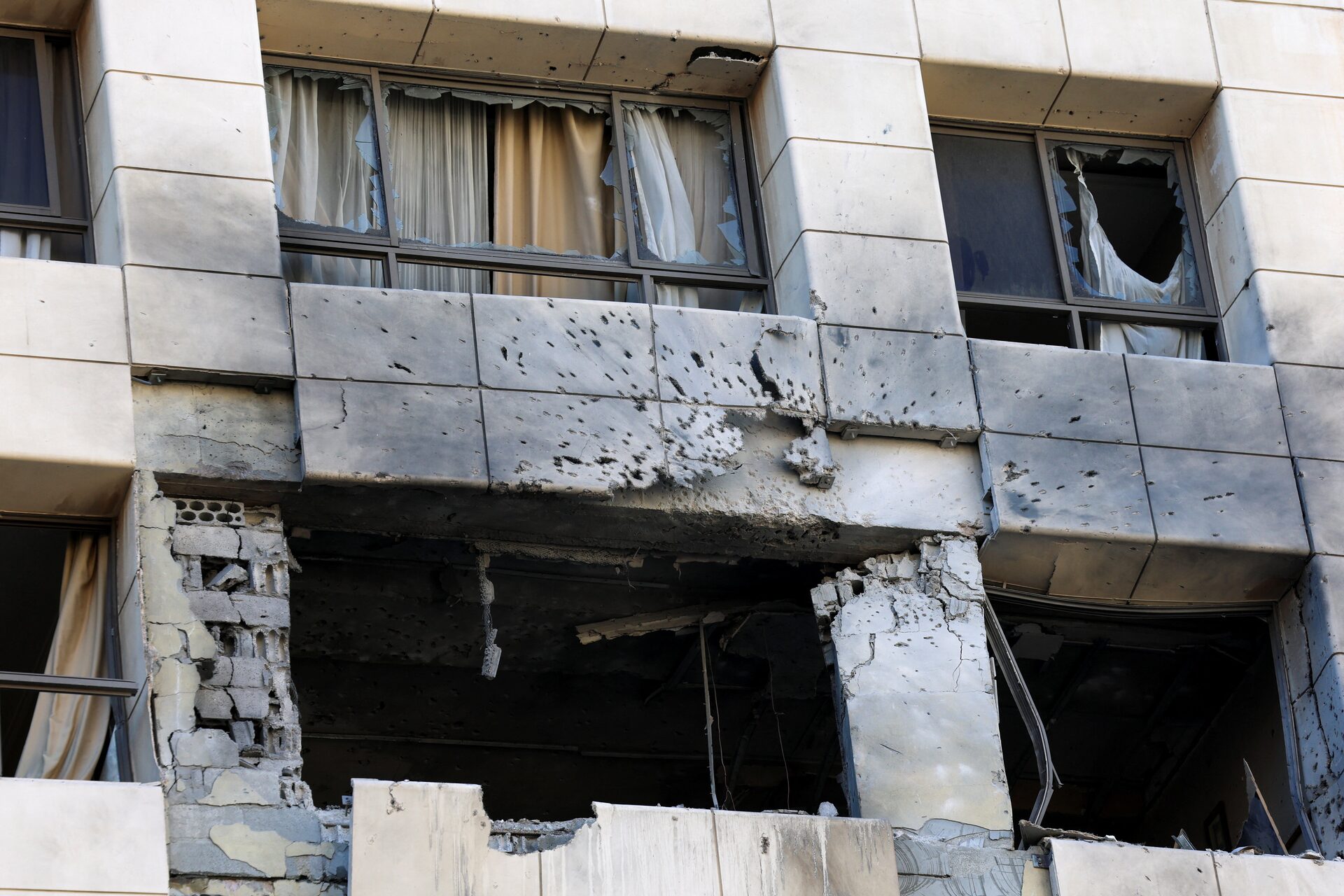
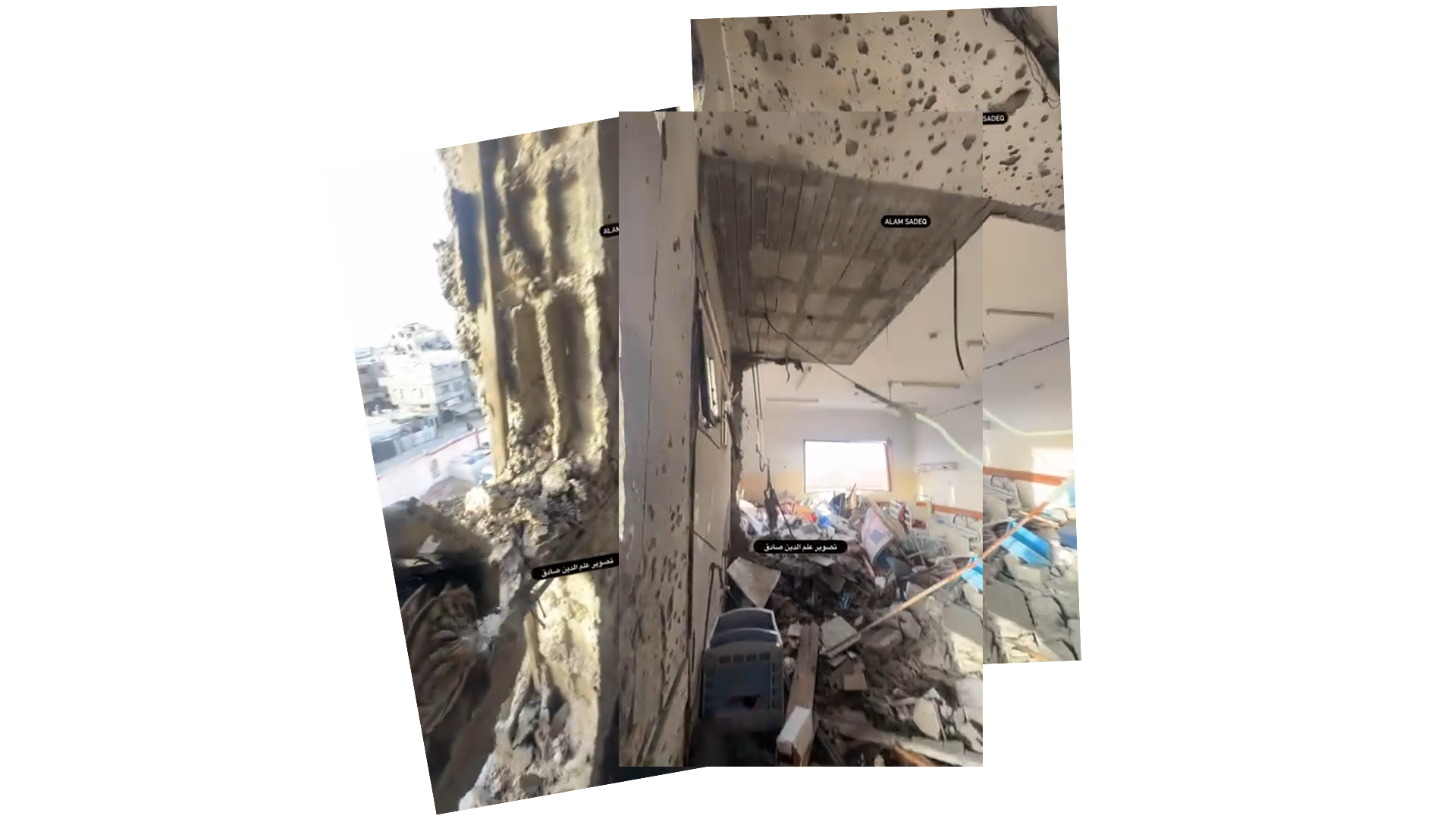
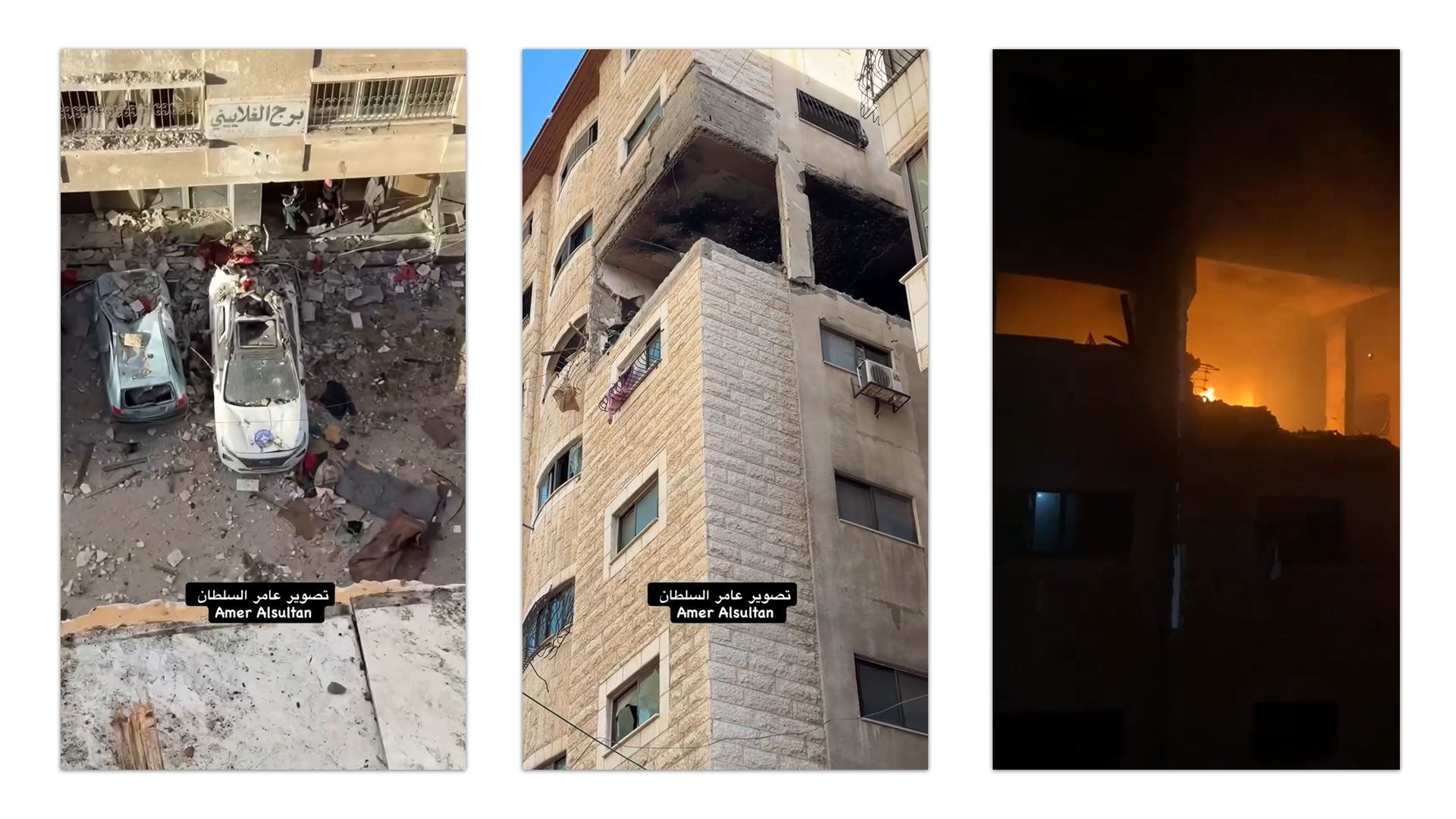
The warhead’s external casing, reportedly constructed from metal of varying thickness, is known to exist in at least two designs. The HE-FRAG version appears to be generally bulbous in shape, with a flanged conical nose section (see Figure 2.9, right), whilst the version incorporating a shaped-charge (probably an EFP) has three distinctive sections: a bulbous base (containing high explosive material and a fragmentation liner of pre-formed cubic fragments), a cylindrical midsection, and a conical nose (see FIgure 2.9, left and centre). The fuze is probably located behind the warhead, but no part which could be identified as a fuze could be identified from the available materials. A similar missile, the AGM-190 Black Arrow, is currently being tested by the U.S. Air Force. The AGM-190 reportedly weighs around 90 kg and can carry loads up to approximately 23 kg. If the weight distribution of the Israeli missile is similar, it could probably carry a warhead weighing around 10 kg.
Intended Uses
The intended use of the missile is likely twofold. First, as shown in the documented use cases, the munition is likely intended primarily for conducting precision strikes against high-value targets in areas where significant collateral harm would be undesirable. The second likely use is the targeting of lightly armoured vehicles, lightly hardened structures, and technical equipment. The specific niche of this missile is probably its range, allowing for precision strikes at longer ranges that do not endanger the launch platform or require penetration of contested airspace. A relatively slow-moving munition may, however, struggle against air defences, as the apparent downings in Lebanon and Iran suggest.
The author would like to thank N.R. Jenzen-Jones (ARES), Tony Salvo (ARES), Trevor Ball (Bellingcat), and Joe E. (Airwars) for their assistance.
Remember, all arms and munitions are dangerous. Treat all firearms as if they are loaded, and all munitions as if they are live, until you have personally confirmed otherwise. If you do not have specialist knowledge, never assume that arms or munitions are safe to handle until they have been inspected by a subject matter specialist. You should not approach, handle, move, operate, or modify arms and munitions unless explicitly trained to do so. If you encounter any unexploded ordnance (UXO) or explosive remnants of war (ERW), always remember the ‘ARMS’ acronym:
AVOID the area
RECORD all relevant information
MARK the area from a safe distance to warn others
SEEK assistance from the relevant authorities